
Learning Safe Humanoid Navigation from Reduced Order Models
William D. Compton, Zachary Olkin, Ryan Bena, Aaron D. Ames · N/A · 2026
Framework
N/A
License
N/A
Stars
N/A
Summary
Research in humanoid robotics has achieved rapid progress in locomotion, and recent results have pushed the boundary on autonomous navigation.
Abstract Summary
Key Points
- Research in humanoid robotics has achieved rapid progress in locomotion, and recent results have pushed the boundary on autonomous navigation.
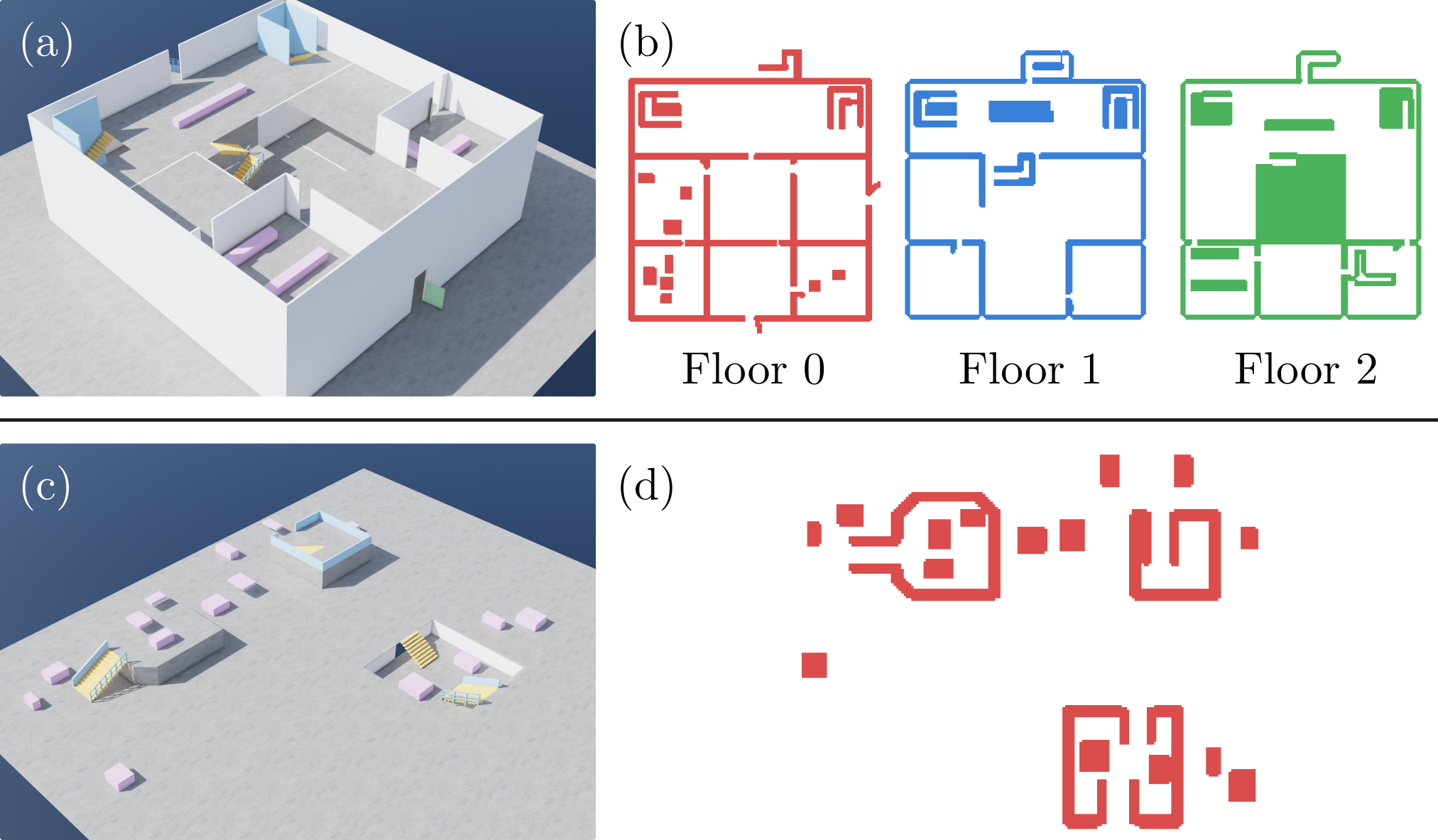
- We demonstrate that a standard single-stage RL navigation pipeline struggles to scale to multi-level and multi-story terrain, limited by the difficulty of complex humanoid terrain interactions such as stairs.
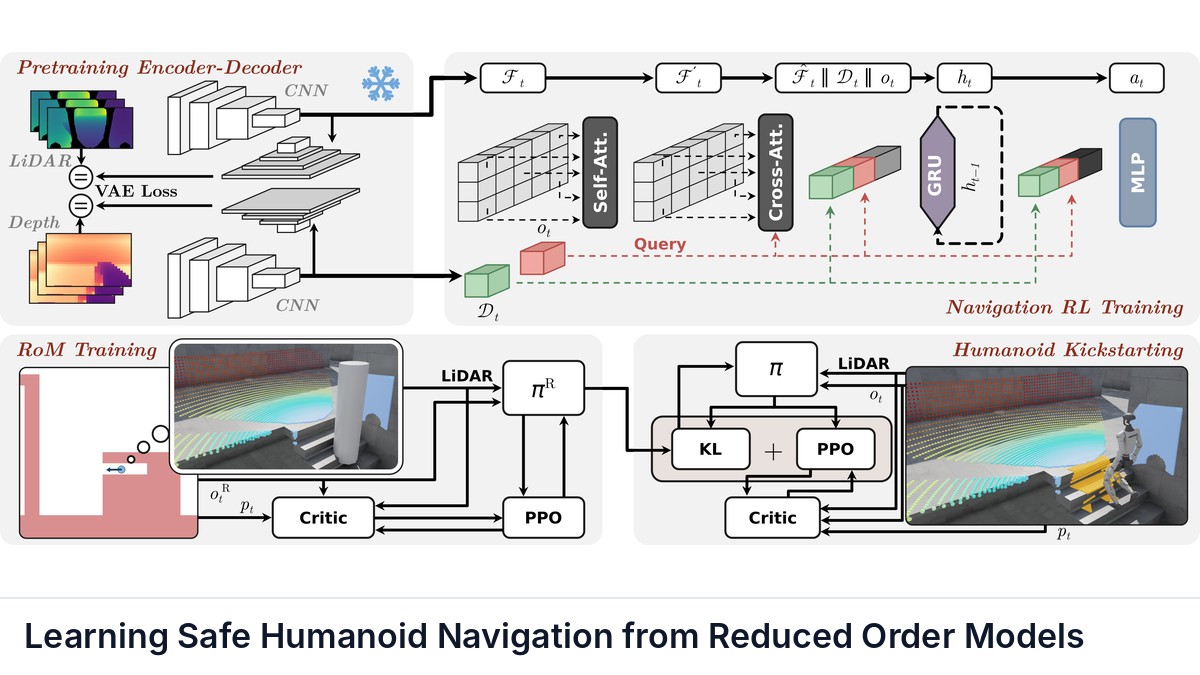
- To overcome this challenge, we decompose the navigation problem into two pieces
- First, we train a policy operating on the reduced order dynamics but with full 3D LiDAR observations to navigate complex, multi-story terrain.
- We then utilize this navigation knowledge to kickstart a policy operating on the full-order humanoid dynamics, with a frozen locomotion policy in the loop.
Methods
The navigation policy is trained for deployment on a Unitree G1 equipped with a Mid-360 LiDAR and a downward-facing ZED Mini depth camera. The frozen locomotion policy for the robot is trained using LIP-CLF RL [ 3 ] . The LiDAR range image and depth image are both high-dimensional inputs which require significant visual processing to extract useful information.
Rather than extract these features during the RL training, we pretrain a CNN encoder for both the range image and depth image using a standard VAE approach [ 40 ] .
Results
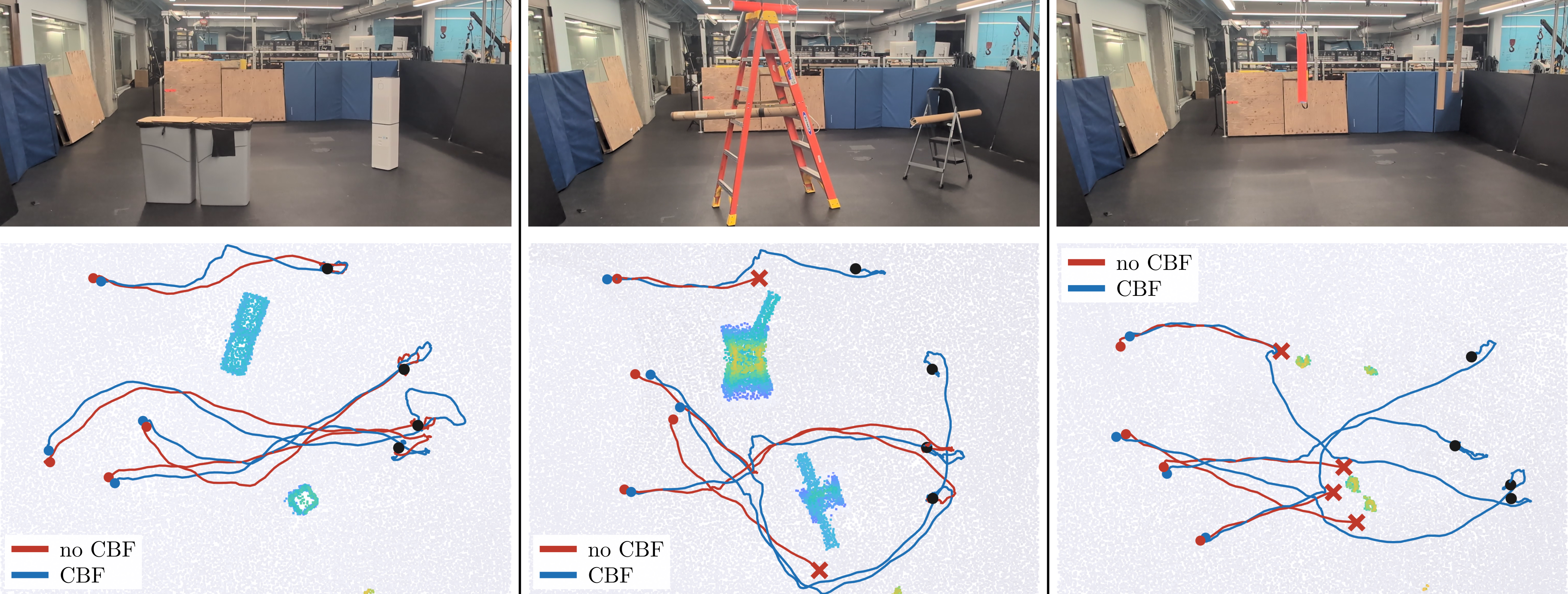
In this section we examine the RoM-Nav method, showing its improvement over the single-stage training approach, and justify the pretrained encoders and spawn/goal sampling. We demonstrate the effectiveness of the Poisson safety filter for safety around OOD obstacles on hardware. Finally, we deploy the method in real-world multi-floor environments. First, we evaluate the RoM-Nav method.
We compare a few methods: Single-Stage, trained directly on the humanoid via PPO for 4000 iterations.
Sources and Demonstrations
Figures are reproduced from Compton et al. See the full paper for experimental details and the project page, when the paper links one, for demonstrations and videos.
Related Papers
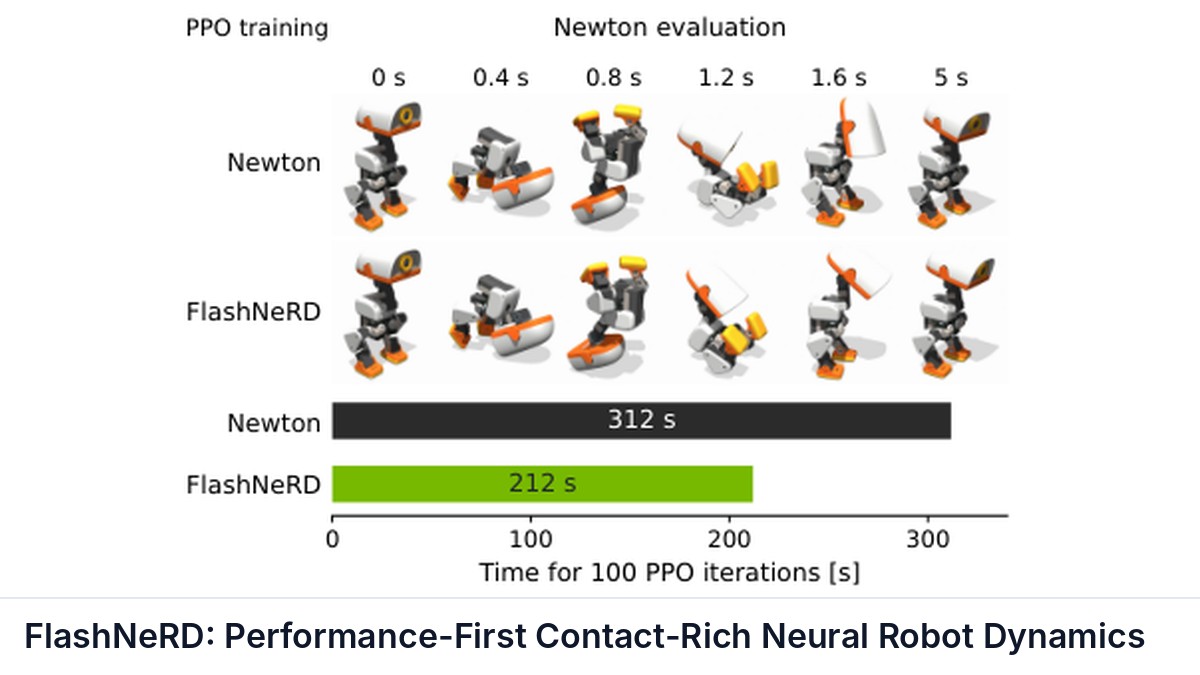
FlashNeRD: Performance-First Contact-Rich Neural Robot Dynamics
Mohammadmehdi Ataei, Mohammad Amin Nabian, Jie Xu et al.
Compared with analytical physics, learned dynamics models promise robot simulation that is faster, inherently differentiable, and easily adaptable to real data.
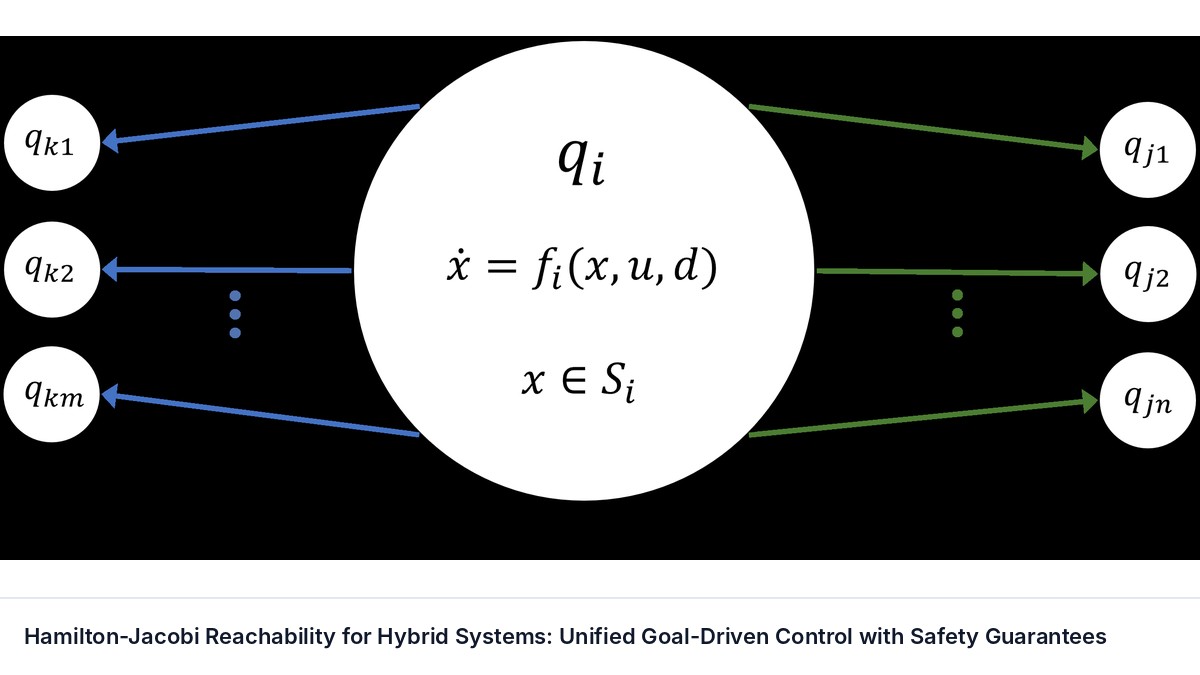
Hamilton-Jacobi Reachability for Hybrid Systems: Unified Goal-Driven Control with Safety Guarantees
Javier Borquez, Shuang Peng, Somil Bansal
Hybrid dynamical systems provide a powerful modeling framework for robotic systems, particularly in contact-rich environments. However, ensuring safety and performance in such systems remains challenging due to the intricate coupling between continuous dynamics and discrete mode transitions.
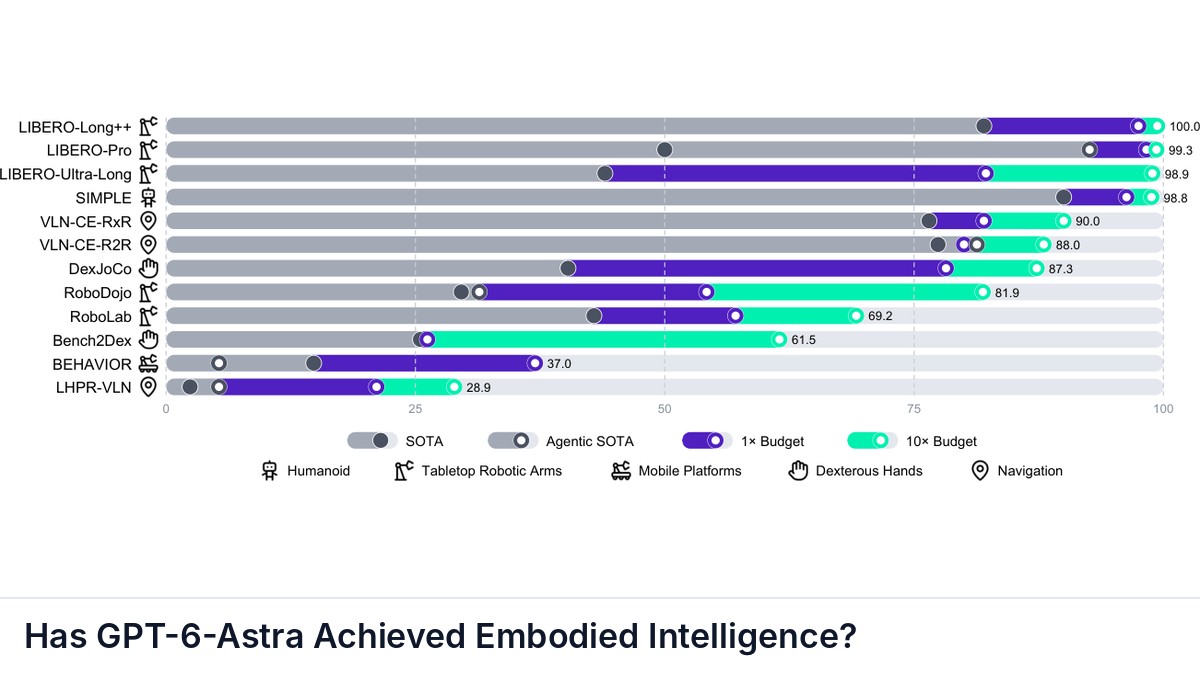
Has GPT-6-Astra Achieved Embodied Intelligence?
SenseNova, Joint Research Team, : et al.
GPT-6-Astra demonstrates a level of competence in robotic manipulation and navigation that challenges the conventional paradigm of building specialized models for individual tasks and embodiments.
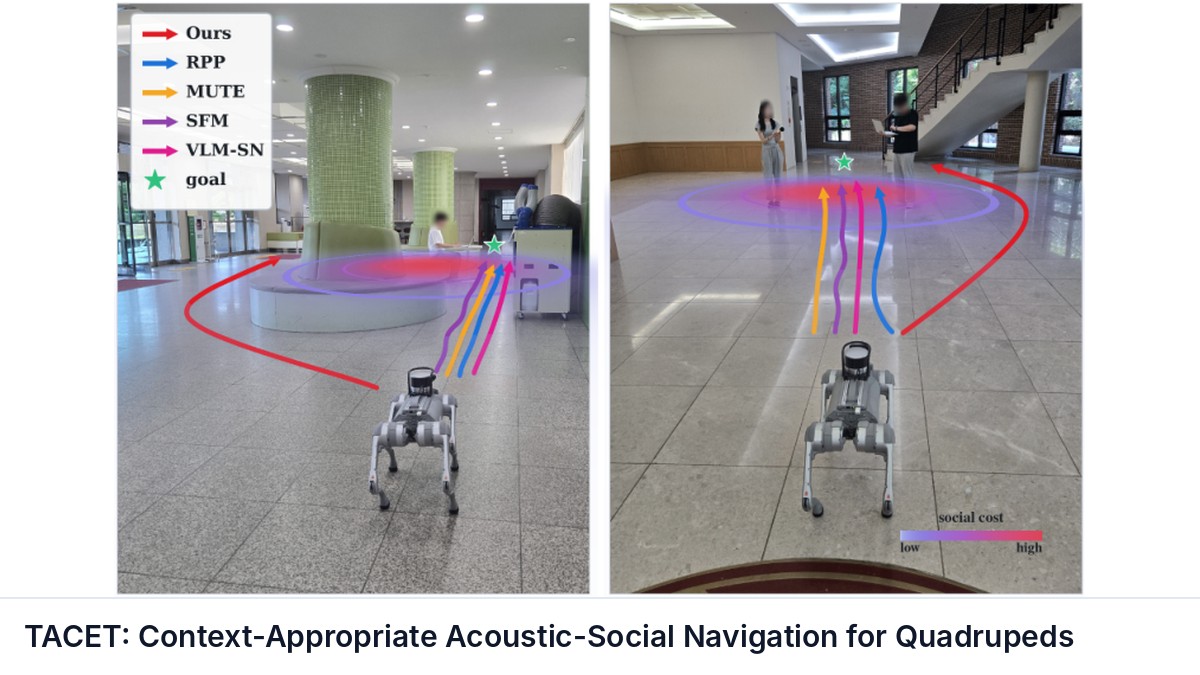
TACET: Context-Appropriate Acoustic-Social Navigation for Quadrupeds
Sungsan Park, Young-Sik Shin, Sanghyun Kim
Quadruped robots entering hospitals, care homes, and quiet offices must be context-appropriate not only in where they move but in how loudly they move: a legged robot's locomotion noise, dominated by foot-ground impacts, is itself a social variable.