
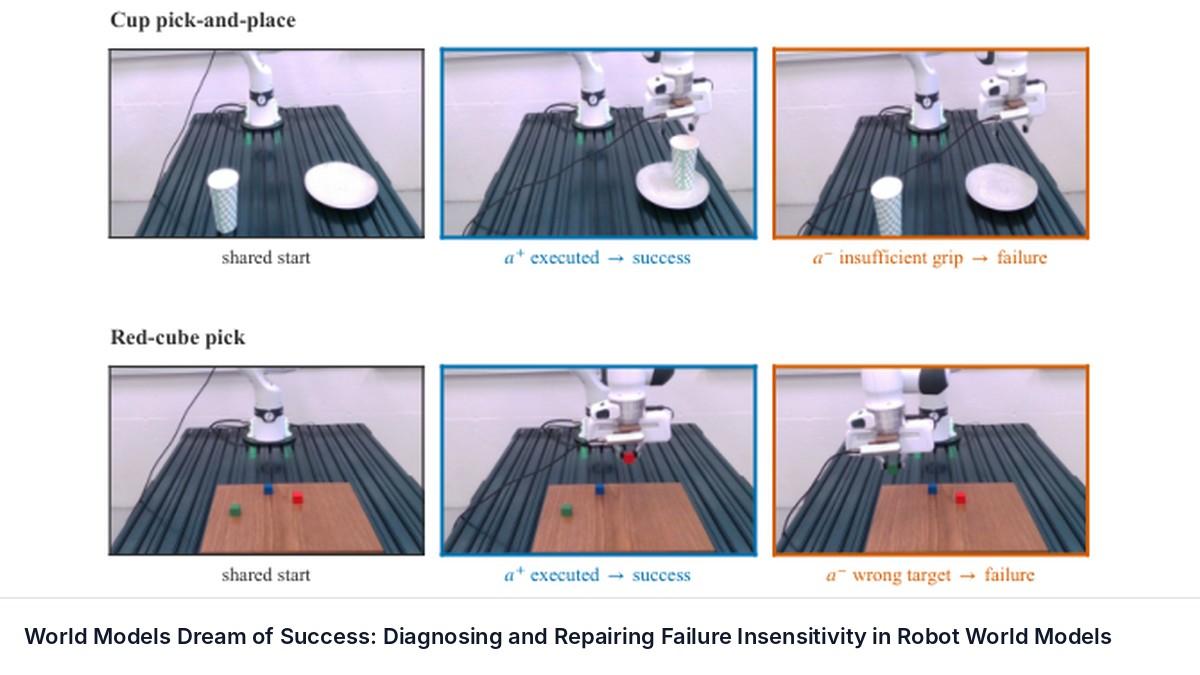
World Models Dream of Success: Diagnosing and Repairing Failure Insensitivity in Robot World Models
Jiuyi Xu, Xiao Hu, Meida Chen, Peng Gao, Yang Ye, Yangming Shi · N/A · 2026
Framework
N/A
License
N/A
Stars
N/A
Summary
Robot world models support policy evaluation, planning, and synthetic data generation, but these applications require predictions that distinguish successful actions from failures.
Abstract Summary
Key Points
- Robot world models support policy evaluation, planning, and synthetic data generation, but these applications require predictions that distinguish successful actions from failures.
- Across four released checkpoints from two architecture families, we observe weak sensitivity to action changes and success-like predictions on verified failures.
- Although recent work incorporates failures into model training, which data can repair released checkpoints without changing their architecture or training objective still remains underexplored.
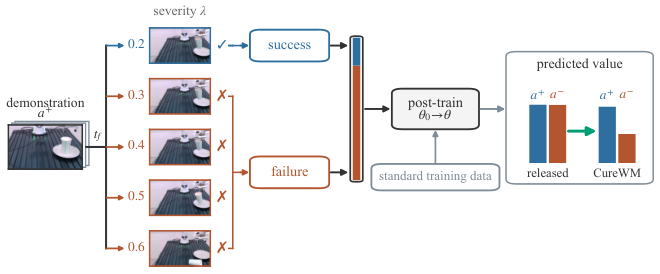
- To this end, we introduce CureWM, which constructs alternative actions from successful demonstrations across a severity grid, verifies their outcomes through execution in simulation or on hardware, and fine-tunes released models on the resulting failures and surviving successes alongside nominal demonstrations.
- This construction provides controlled action contrasts from shared starting contexts
Method
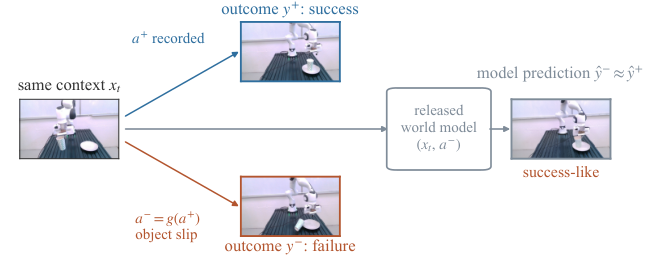
Let $x_{t}$ denote the observation history and task context, and let $a^{+}_{t:T}$ and $a^{-}_{t:T}$ denote action sequences that succeed and fail from the same starting context. We call a model failure-insensitive when its predictions fail to distinguish these outcomes. Figure 1 illustrates this behavior.
This differs from optimism alone: a model can assign similar values to successful and failing actions even when neither value is high.
Simulation Experiments
The baseline and CureWM use official data from all four LIBERO suites; CureWM additionally uses counterfactual replays from LIBERO-Goal. Goal evaluation contains 484 verified failures and 1,196 successful perturbed replays from two independently generated sets using the training perturbation families and severity grid.
Their source demonstrations are excluded from counterfactual construction but mostly present in the official data. The second set was generated after the compared models finished training.
Repair on a Physical Robot
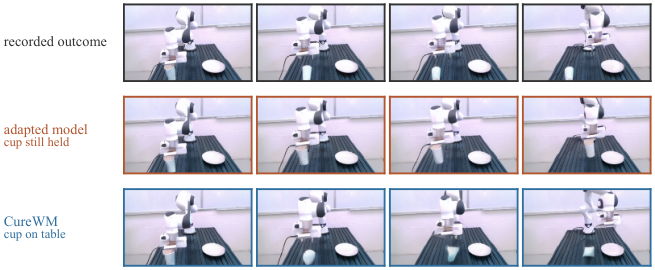
We evaluate CureWM on a Franka Research 3 using DROID-pretrained Ctrl-World ( Khazatsky et al., 2024 ; Guo et al., 2026 ) . Cup pick-and-place is the primary repair task. Cube picking tests task-specific repair and transfer from cup-task repair. Replay outcomes are verified through physical execution.
After 1,400 steps of scene adaptation using successful demonstrations, we fine-tune CureWM on 90 failed replays, 24 successful wrist-tilt replays, and 31 unperturbed successful trajectories.
Sources and Demonstrations
Figures are reproduced from Xu et al. See the full paper for experimental details and the project page, when the paper links one, for demonstrations and videos.
Related Papers
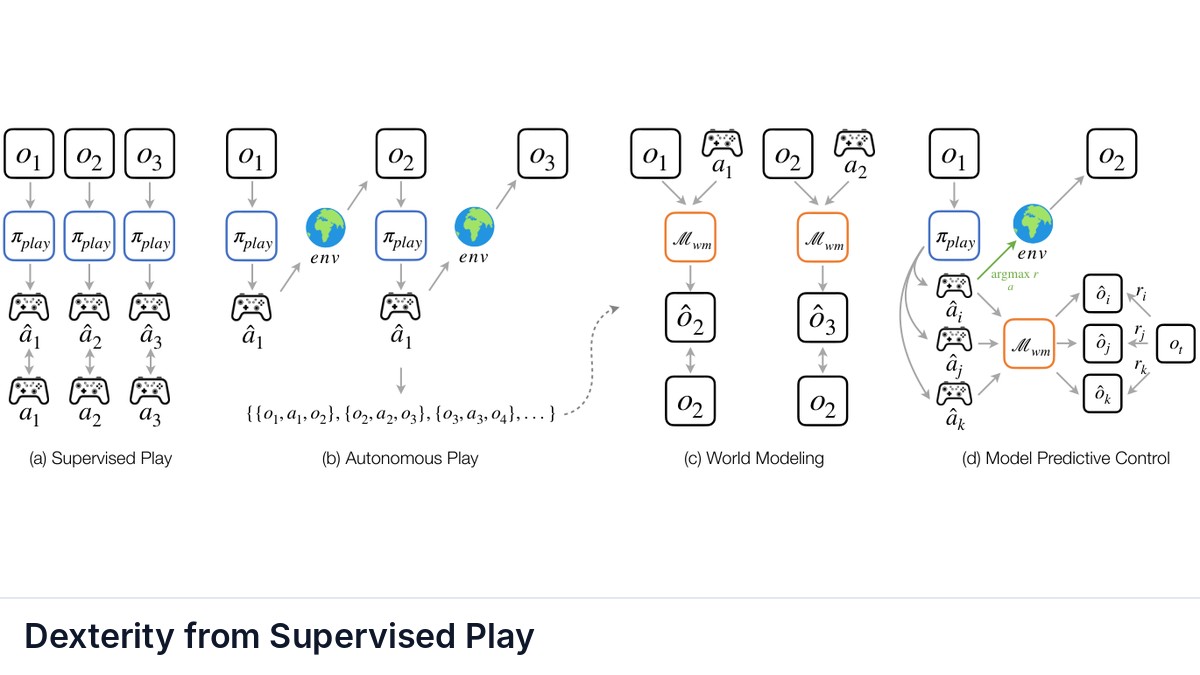
Dexterity from Supervised Play
Botao He, Yiming Dou, Yiannis Aloimonos et al.
How can robots autonomously collect the contact-rich experience needed to learn dexterous manipulation?
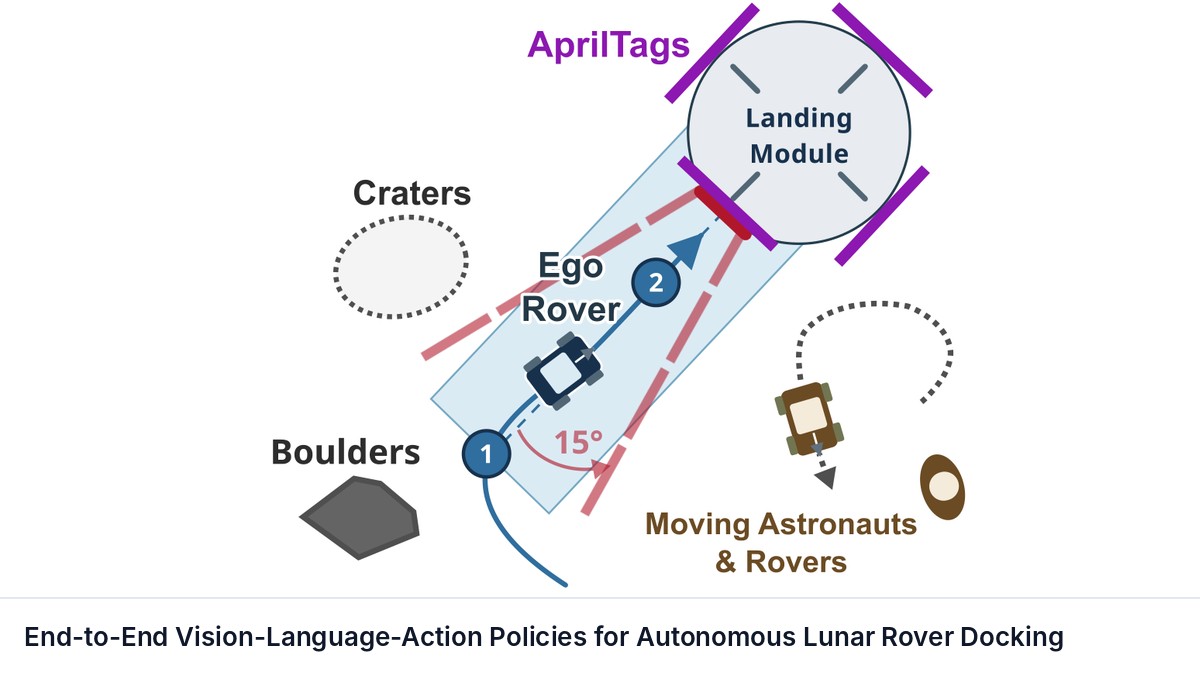
End-to-End Vision-Language-Action Policies for Autonomous Lunar Rover Docking
Sitan Huang, Grace Gao
Surface navigation on the Moon is subject to extreme illumination contrast and deployment-time perceptual disturbances.
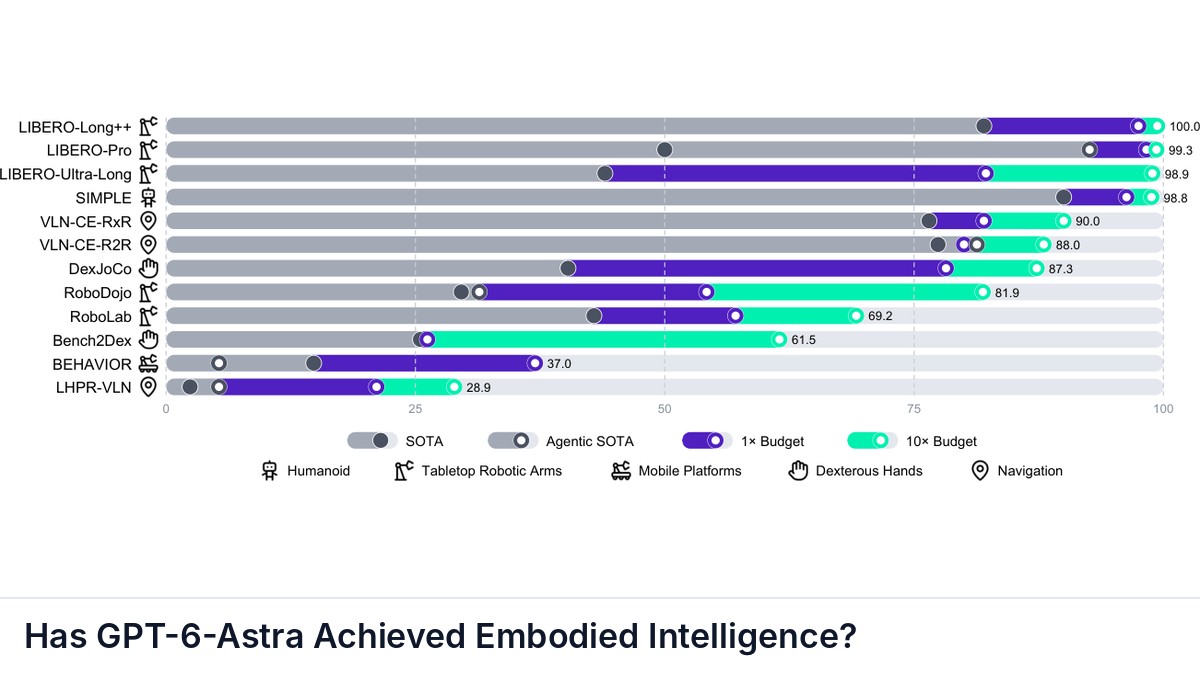
Has GPT-6-Astra Achieved Embodied Intelligence?
SenseNova, Joint Research Team, : et al.
GPT-6-Astra demonstrates a level of competence in robotic manipulation and navigation that challenges the conventional paradigm of building specialized models for individual tasks and embodiments.
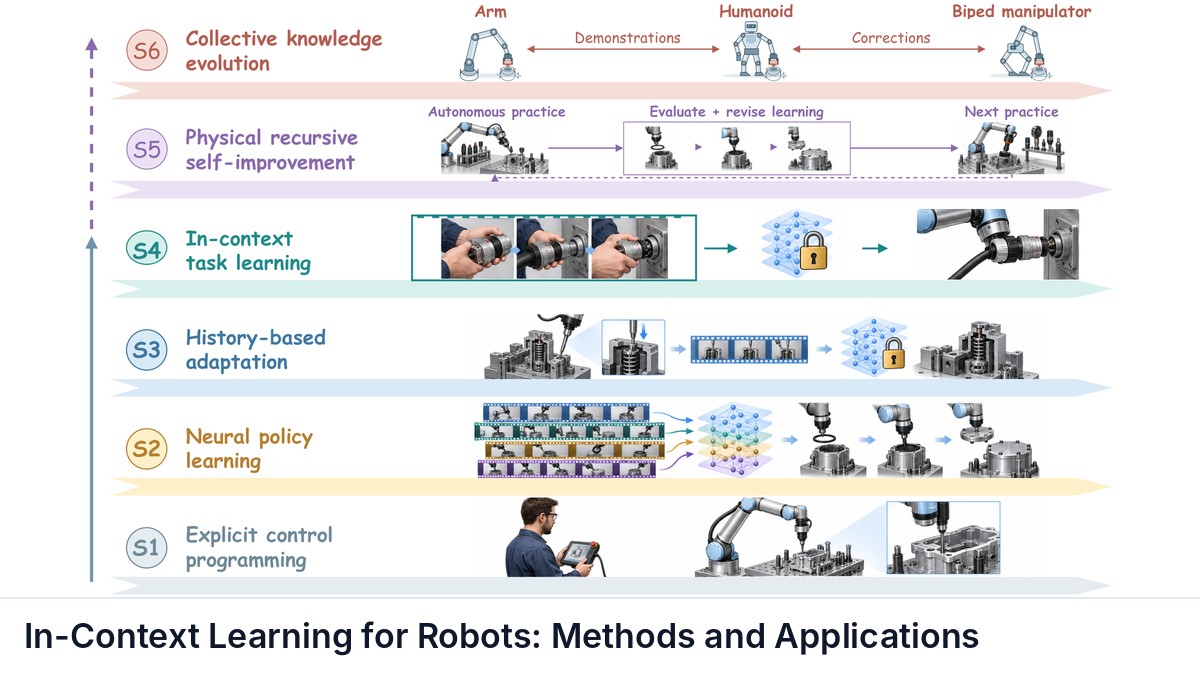
In-Context Learning for Robots: Methods and Applications
Haojian Huang, Zexi Li, Junhao Guo et al.
General-purpose robots must infer what a new task requires and translate that understanding into appropriate physical action.