
Learning to Plan in Human-Robot Collaboration: Multimodal Reinforcement Learning for Adaptive Interaction
Afagh Mehri Shervedani, Siyu Li, Natawut Monaikul, Bahareh Abbasi, Barbara Di Eugenio, Milo\v{s} \v{Z}efran · N/A · 2026
Framework
N/A
License
N/A
Stars
N/A
Summary
Robot assistants for older adults and people with disabilities need to perform collaborative tasks with users effectively.
Abstract Summary
Key Points
- Robot assistants for older adults and people with disabilities need to perform collaborative tasks with users effectively.
- The core component of these systems is an interaction manager whose job is to observe and assess the task and infer the state of the human and their intent for the robot to choose the best course of action.
- Due to the sparseness of the data in this domain, the policy for such multimodal systems is often crafted by hand; as the complexity of interactions grows, this process is not scalable.
- This paper proposes a reinforcement learning (RL) approach to automatically generate the multimodal policy of the robot.
- Our system focuses on a realistic scenario where a robot assists a user in locating objects within a home environment, managing multimodal signals, including language and physical actions, to select the best action.
Reinforcement Learning Framework
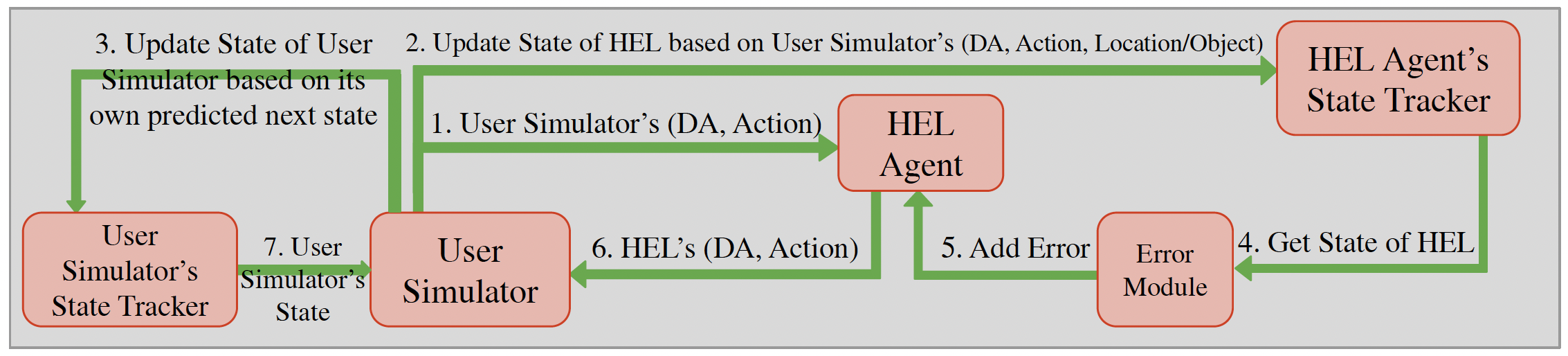
We formulate interaction management as a Deep-Q-Network (DQN) [ 20 ] , where the assistive robot (HEL) learns a policy by interacting with the neural network-based user simulator. Because learning appropriate behavior from a simple reward function alone is difficult with limited interaction data, we first warm up the agent using DA GGER , an Imitation Learning (IL) algorithm [ 21 ] .
The resulting policy is then used to initialize the DQN policy and target networks. As shown in Fig.
Experimental Evaluations
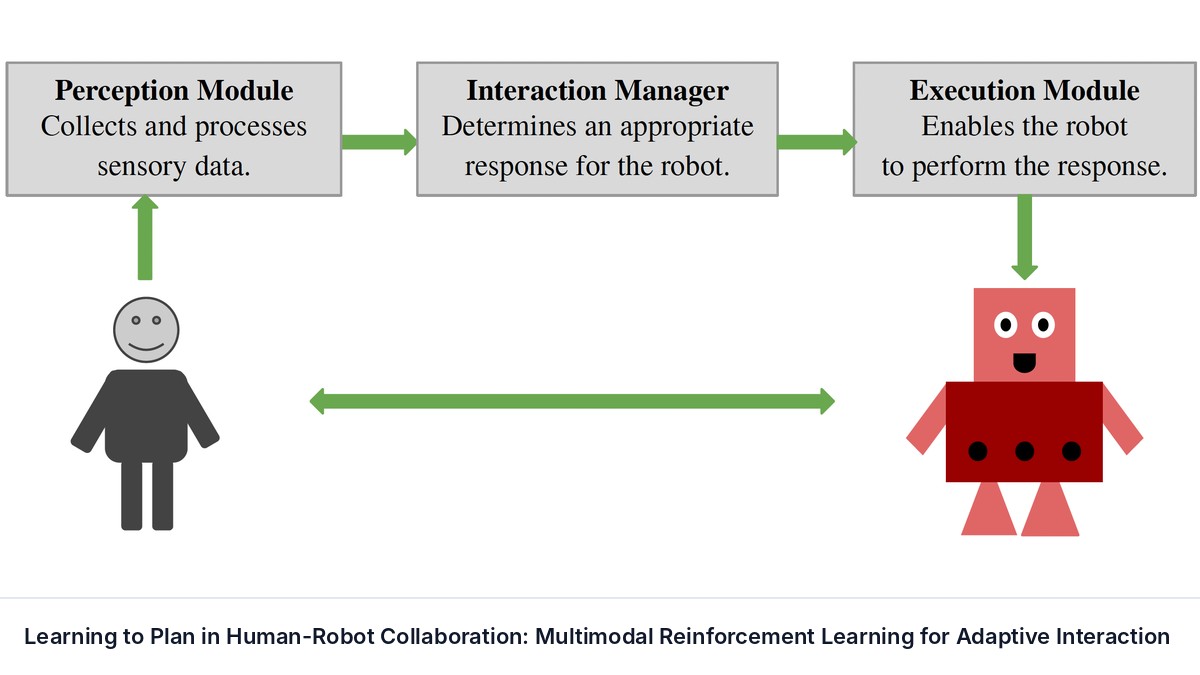
We implemented the proposed framework on a Baxter robot from Rethink Robotics to enable multimodal interaction with human users. The implementation follows the perception and execution modules shown in Fig. 6 . The perception module converts human speech and gestures into the Perceived Human Intent representation required by the RL-based Interaction Manager.
Speech is transcribed using the Google Cloud Speech-to-Text API [ 22 ] , and an ALBERT-based dialogue-act (DA) classifier [ 23 ] predicts the user’s DA from the transcribed utterance.
Sources and Demonstrations
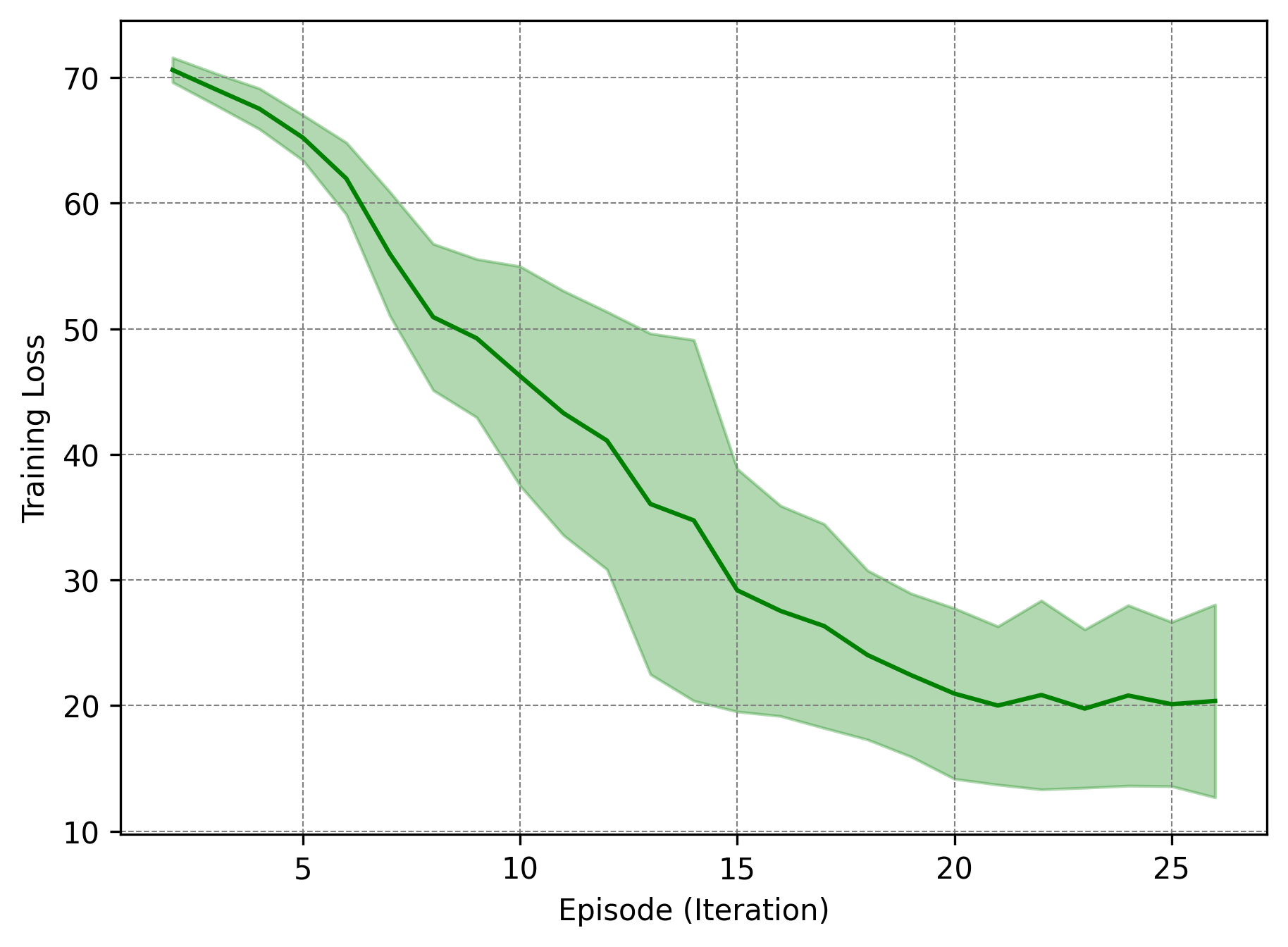
Figures are reproduced from Shervedani et al. See the full paper for experimental details and the project page, when the paper links one, for demonstrations and videos.
Related Papers
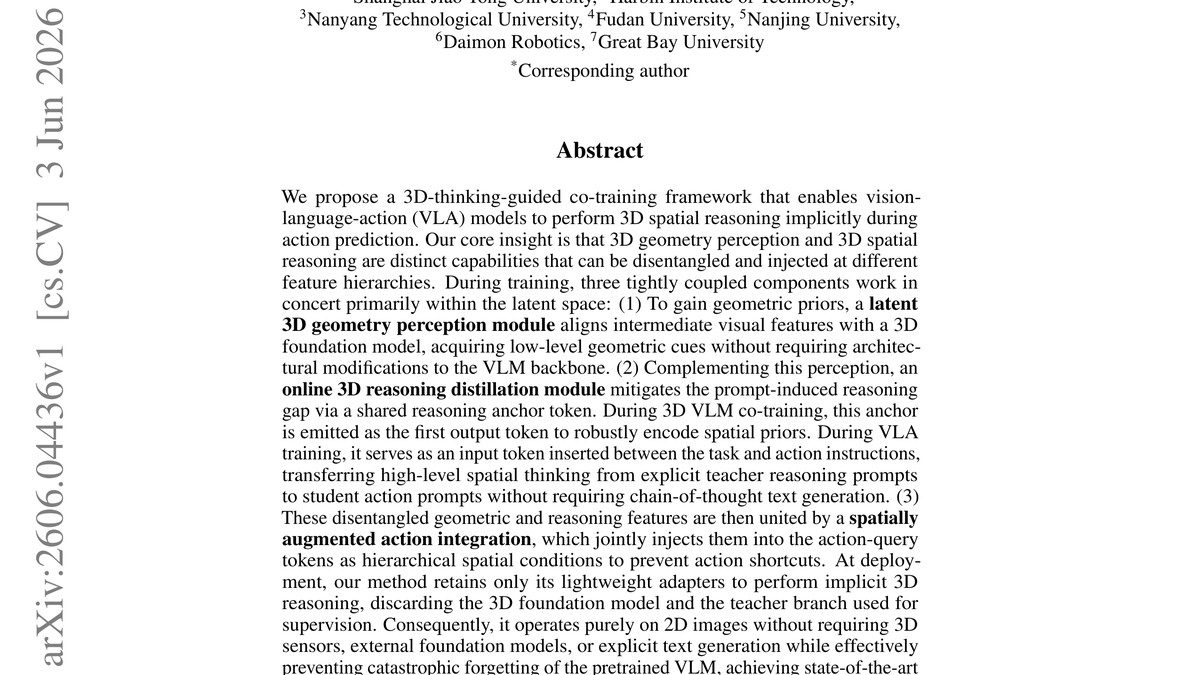
3DThinkVLA: Endowing Vision-Language-Action Models with Latent 3D Priors via 3D-Thinking-Guided Co-training
Jiaxin Shi, Xidong Zhang, Fucai Zhu et al.
We propose a 3D-thinking-guided co-training framework that enables vision-language-action (VLA) models to perform 3D spatial reasoning implicitly during action prediction.
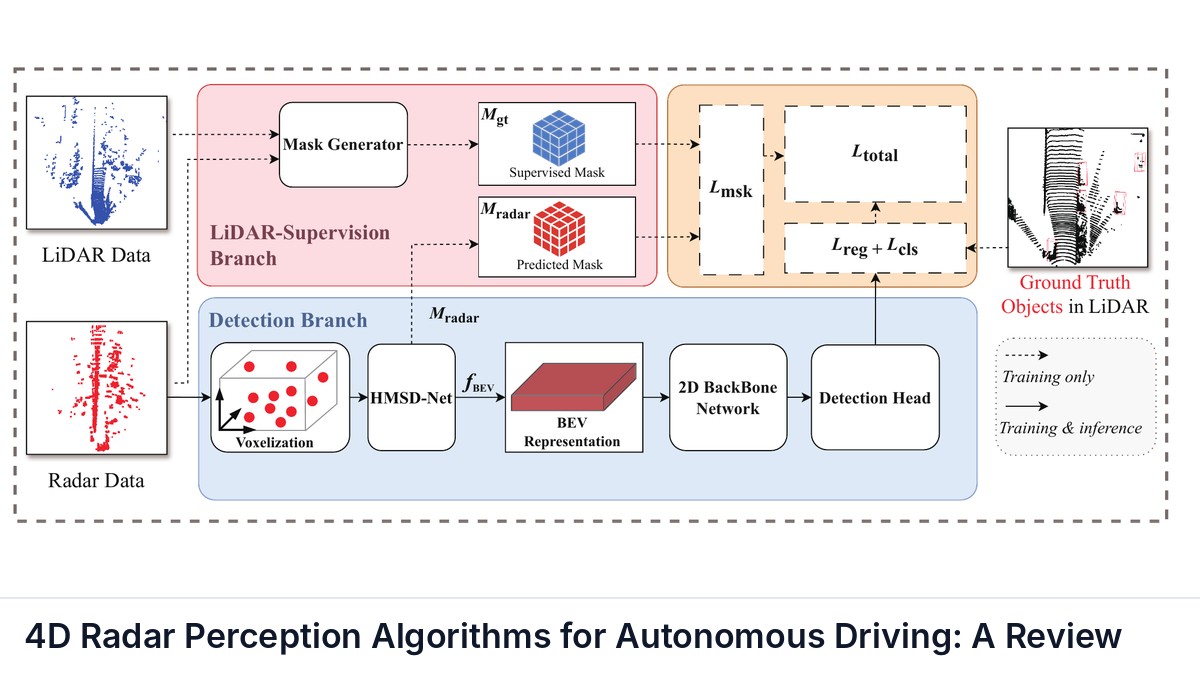
4D Radar Perception Algorithms for Autonomous Driving: A Review
Xumin Wu, Jun Zhou, Jilin Mei et al.
Research on 4D millimeter-wave radar perception algorithms has flourished in recent years, extending from signal processing and object detection to semantic segmentation, motion estimation, occupancy prediction, and dynamic scene reconstruction.
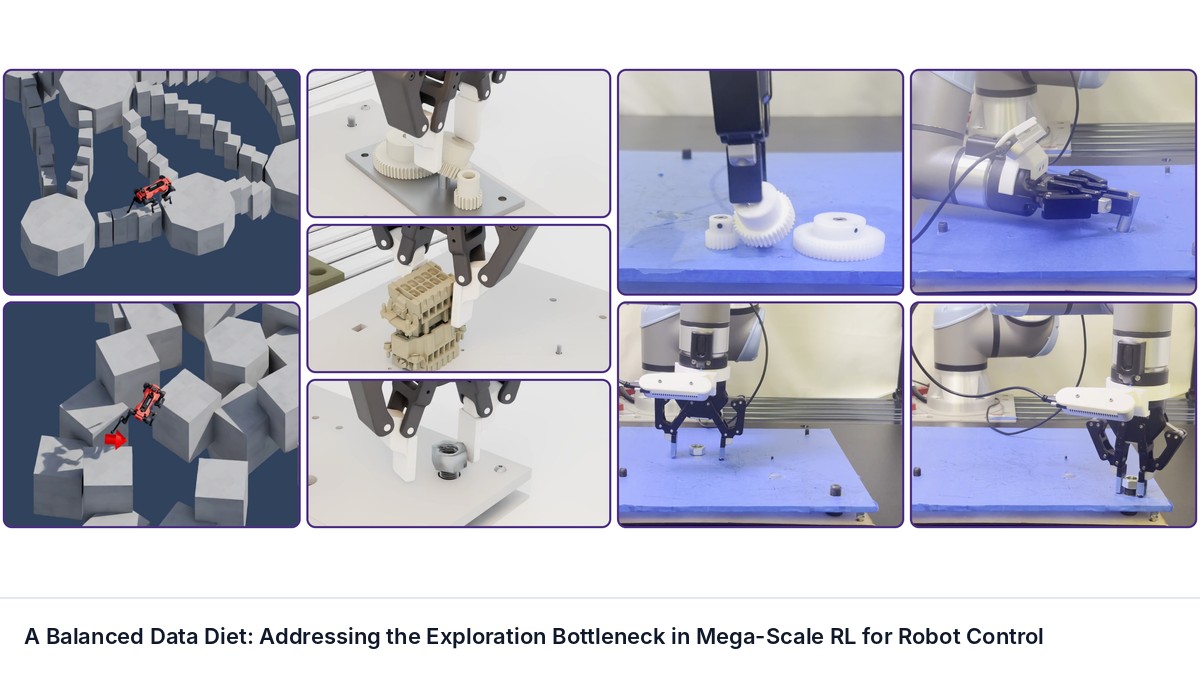
A Balanced Data Diet: Addressing the Exploration Bottleneck in Mega-Scale RL for Robot Control
Octi Zhang, Mateo Guaman Castro, Patrick Yin et al.
General-purpose robots must perform a wide range of tasks from agile locomotion to dexterous manipulation.
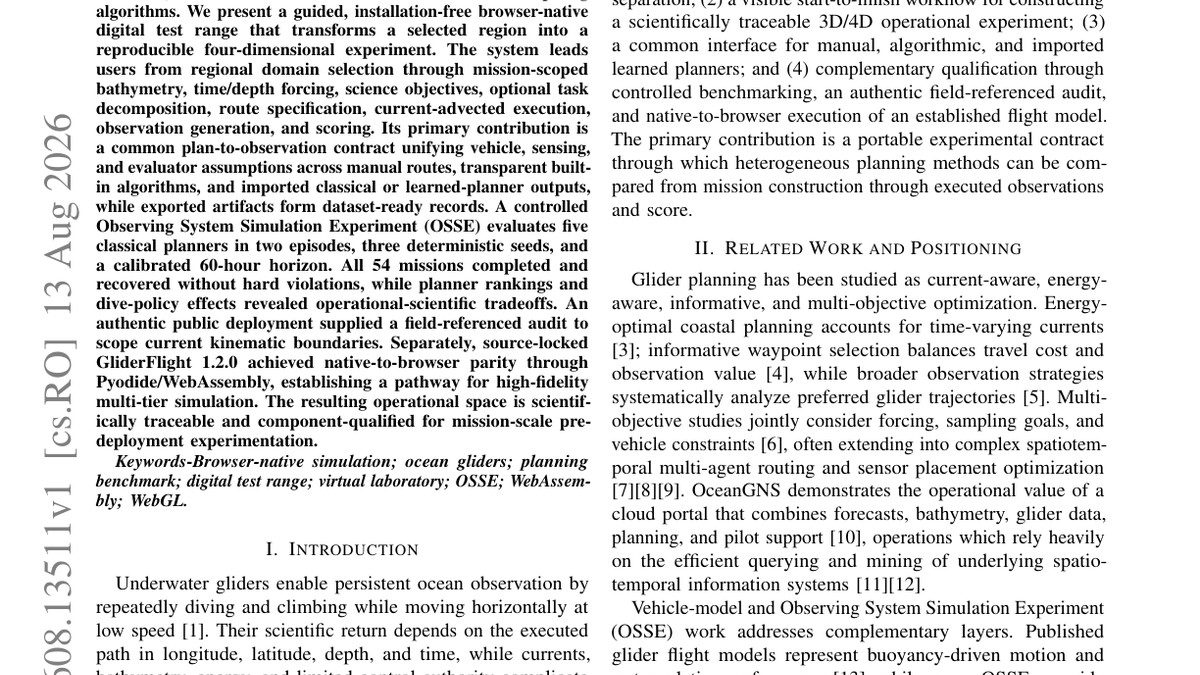
A Browser-Native Digital Test Range for Benchmarking 4D Ocean-Glider Planning Algorithms
Edward Holmberg, Elias Ioup, Mahdi Abdelguerfi
Repeated in-situ evaluation of ocean-glider planners requires scarce vehicles, operators, deployment and recovery resources, and ocean conditions that cannot be reset for competing algorithms.