
Flexible-body Modeling, Kinematic Identification, and Assembly Accuracy of Overconstrained Spatial Linkages
Daniel Huczala, Michael Pieber, Johannes Gerstmayr, Andreas Mair, Frederik Schulte, Silvia Glas, Tomas Postulka, Ales Vysocky, Martin Pfurner · N/A · 2026
Framework
N/A
License
N/A
Stars
N/A
Summary
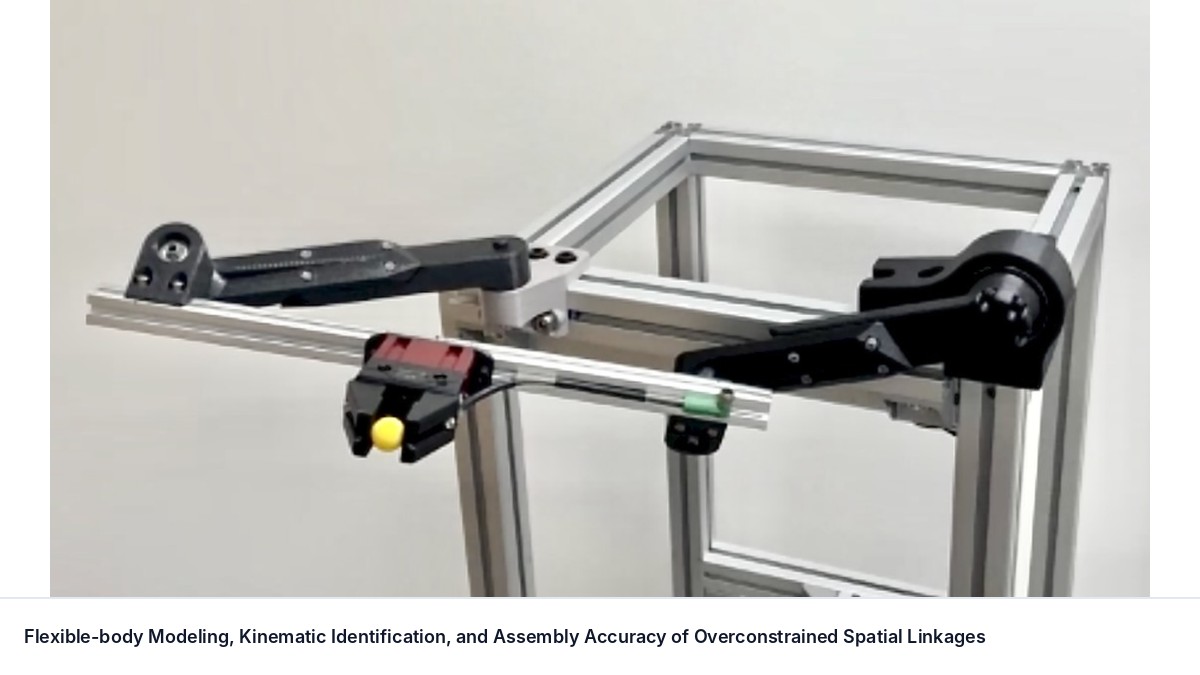
Overconstrained rational single-loop linkages are efficient, compact, and low-cost custom mechanisms, yet their deployment in industrial settings is limited. In simulations, rigid body formulations fail due to redundant constraints.
Abstract Summary
Key Points
- Overconstrained rational single-loop linkages are efficient, compact, and low-cost custom mechanisms, yet their deployment in industrial settings is limited.
- In simulations, rigid body formulations fail due to redundant constraints
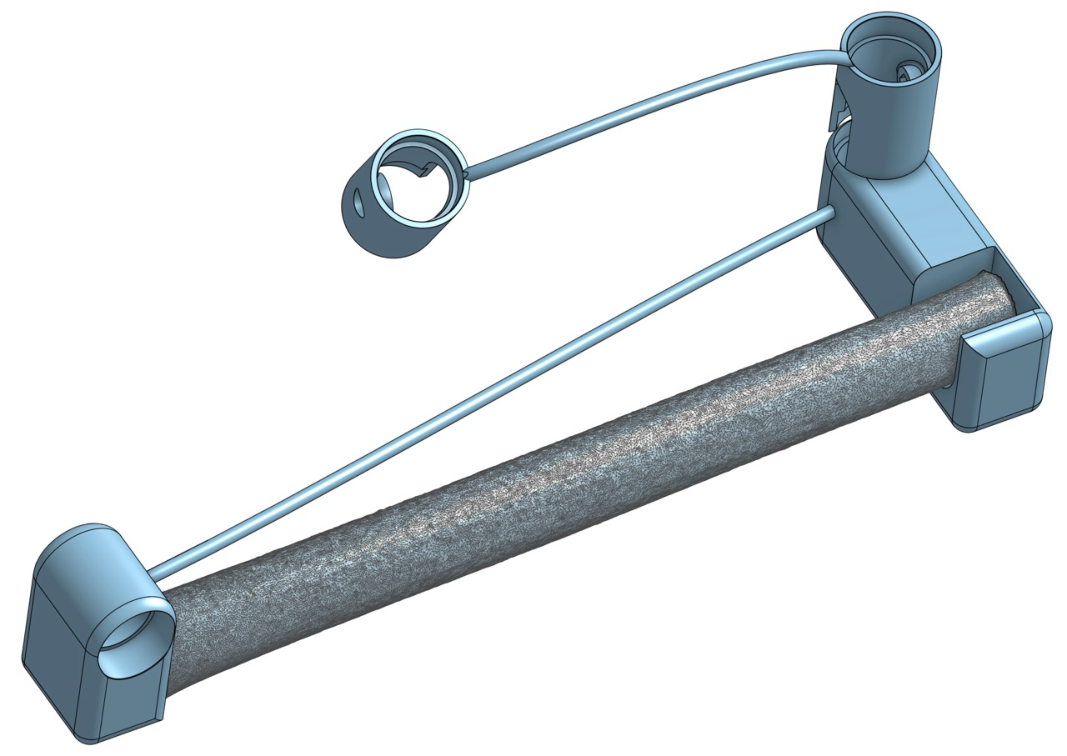
- This study presents a flexible multibody modeling framework based on the floating frame of reference formulation, and delivers an overall accuracy analysis of assembled linkages prototypes.
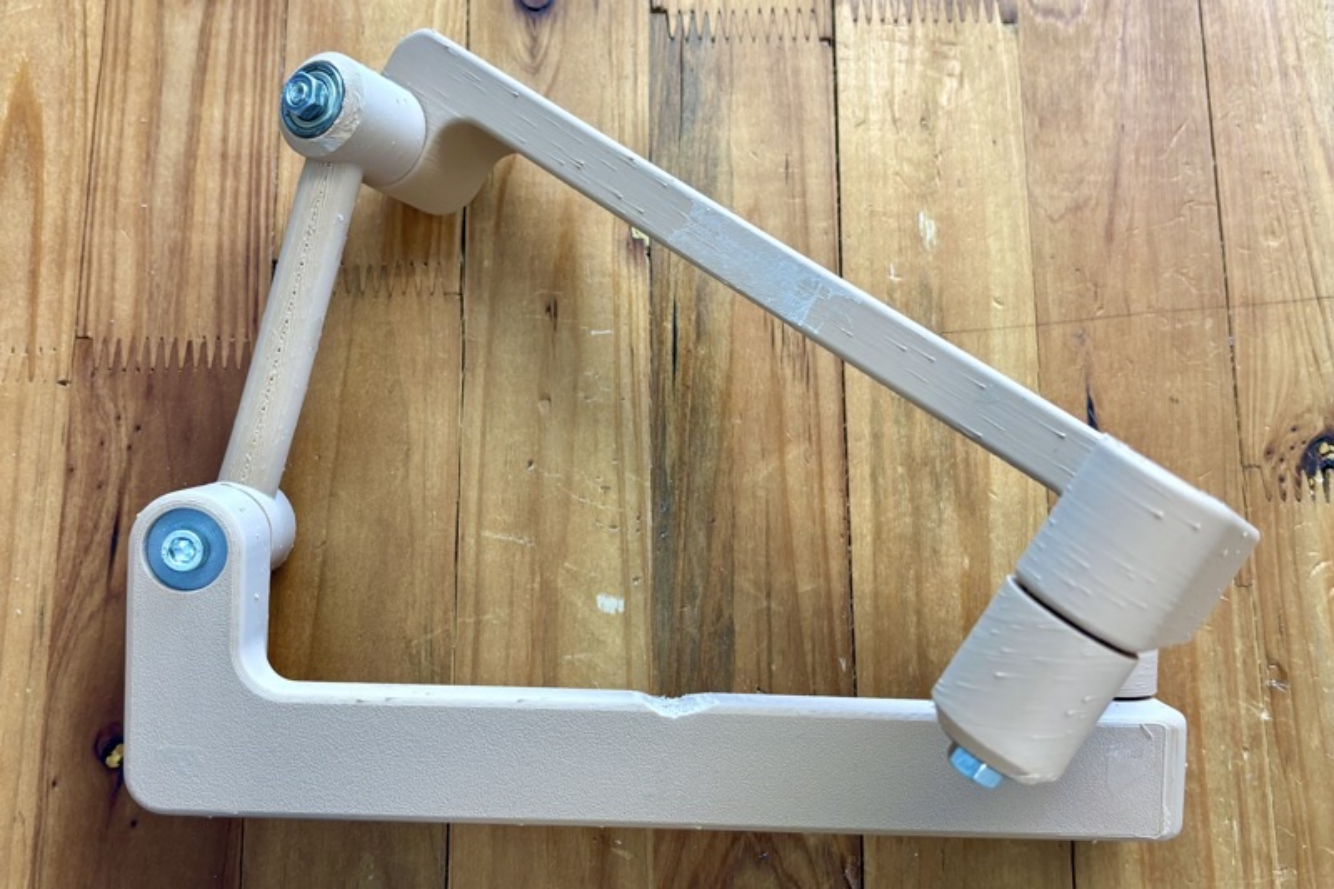
- The approach is validated against 3D-printed PLA prototypes of a Bennett four-bar mechanism, including variants with intentional joint-axis misalignment, which theoretically, from the rigid body point of view, cannot be assembled.
- A supplementary contribution is delivered in the form of a kinematic parameter identification methodology suited for this type of mechanism with ill-conditioned Jacobian.
Methods
The following subsections describe the theoretical framework that was used to carry out the proposed research. Overconstrained single-loop linkages are paradoxical movable linkages with n $\leq 6$ links, connected in series by 1-DoF joints. Such mechanisms are rigid in general, but may gain mobility because of special conditions on their design. Here we are interested in chains with revolute axes only.
Mechanisms Design and Assembly
This section describes the mechanisms built during this study. Initially, the scope was limited to reporting findings on the fully 3D-printed prototype to support the flexible modeling approach presented for overconstrained linkages. However, experiments with alternative materials revealed interesting and unexpected properties.
Accuracy Analysis
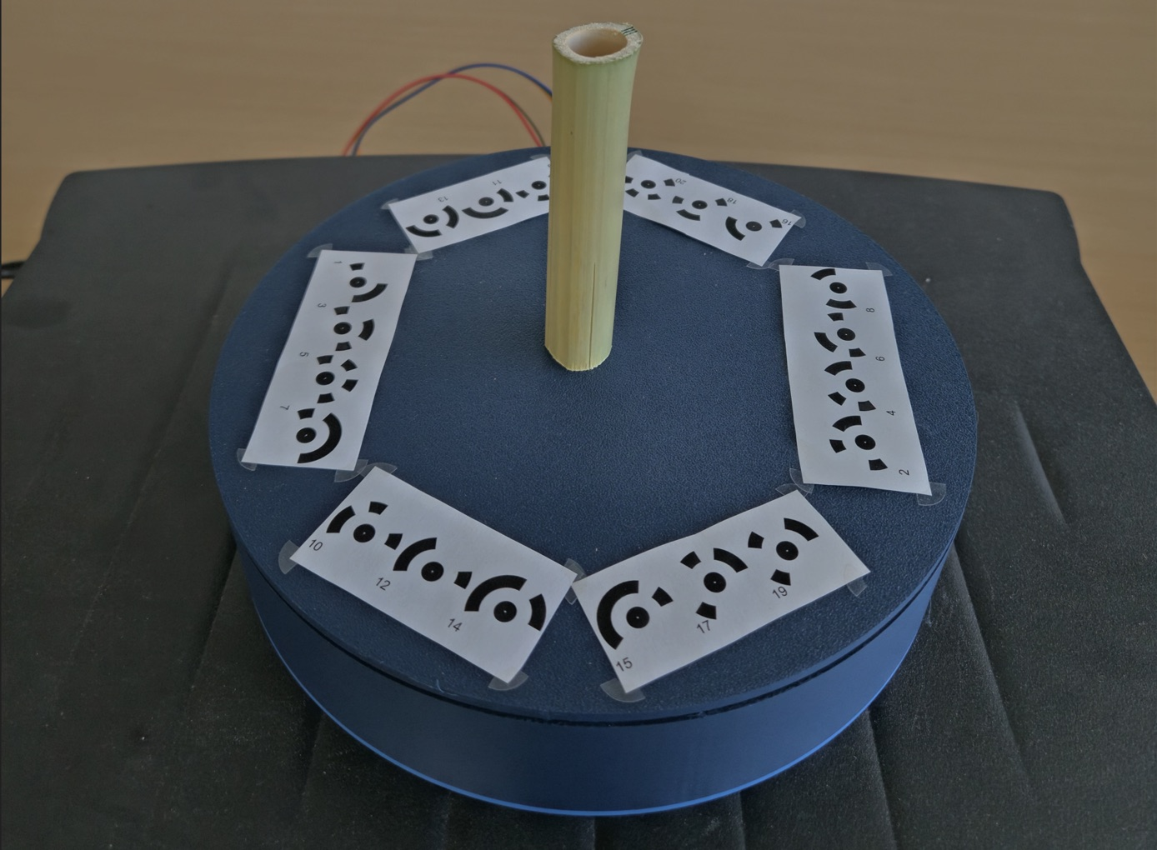
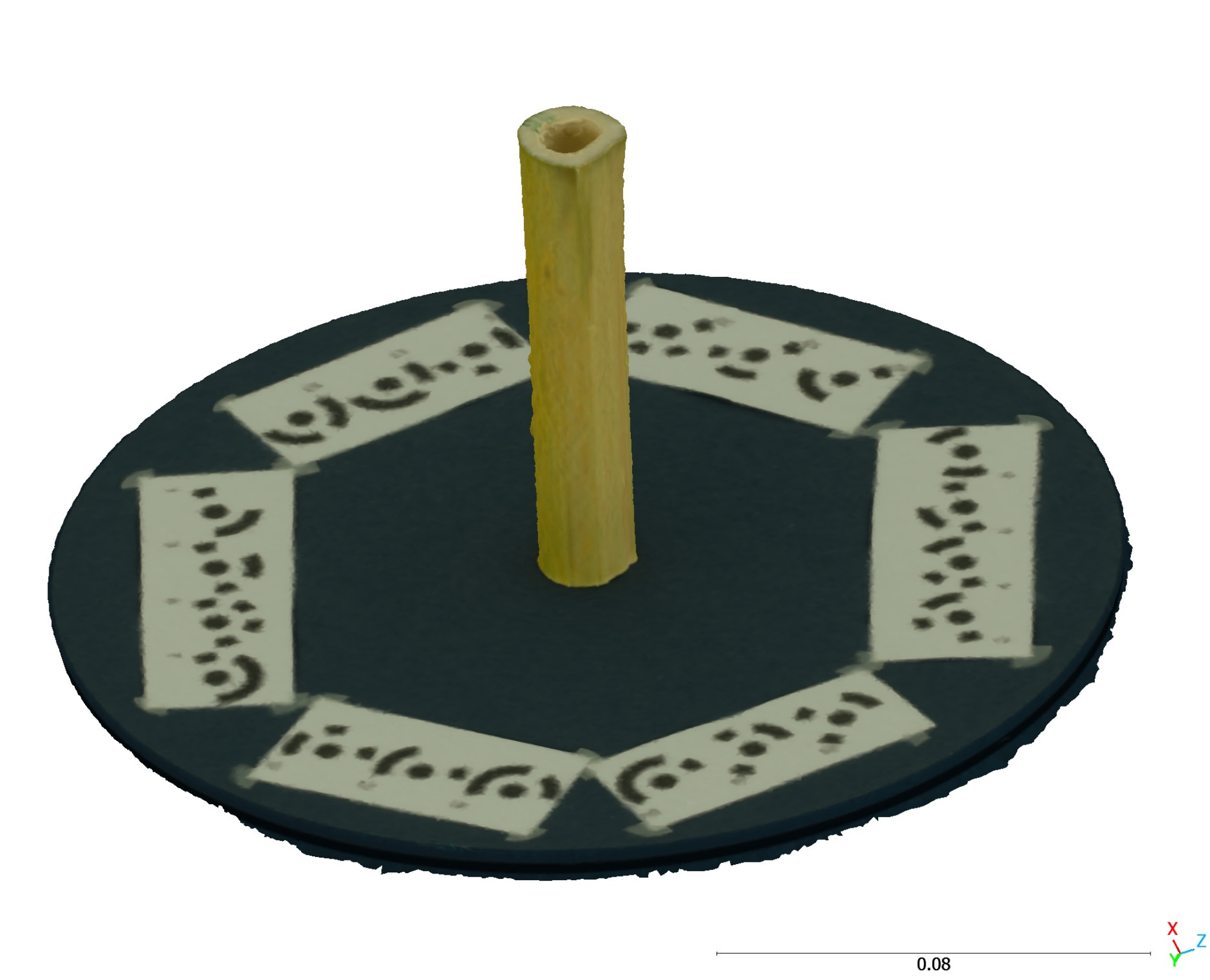
This section covers simulation and laboratory setup to compare the modeling approach with experiments. The flexible multibody simulation was carried out in Exudyn (used version: 1.11.0), as shown in Fig. 10 . Each of the four links is modeled as an independent elastic body using the FFRF (see Sect.
2.3 ), in which the total motion is decomposed into a large rigid-body displacement described by the floating frame and a superimposed small elastic deformation.
Results
To validate the proposed flexible multibody modeling approach, the simulated trajectories of the end-effector were compared to the ideal trajectory obtained from the motion polynomial, as well as to the measured trajectories of the physical prototypes. In Fig. 11 the comparison of the ideal and simulated trajectories is shown. The ideal trajectory is obtained from the motion polynomial obtained in Sect.
2.2 , corresponding to the ideal DH parameters, while the simulated trajectory is obtained from the flexible multibody model in Exudyn.
Sources and Demonstrations
Figures are reproduced from Huczala et al. See the full paper for experimental details and the project page, when the paper links one, for demonstrations and videos.
Related Papers
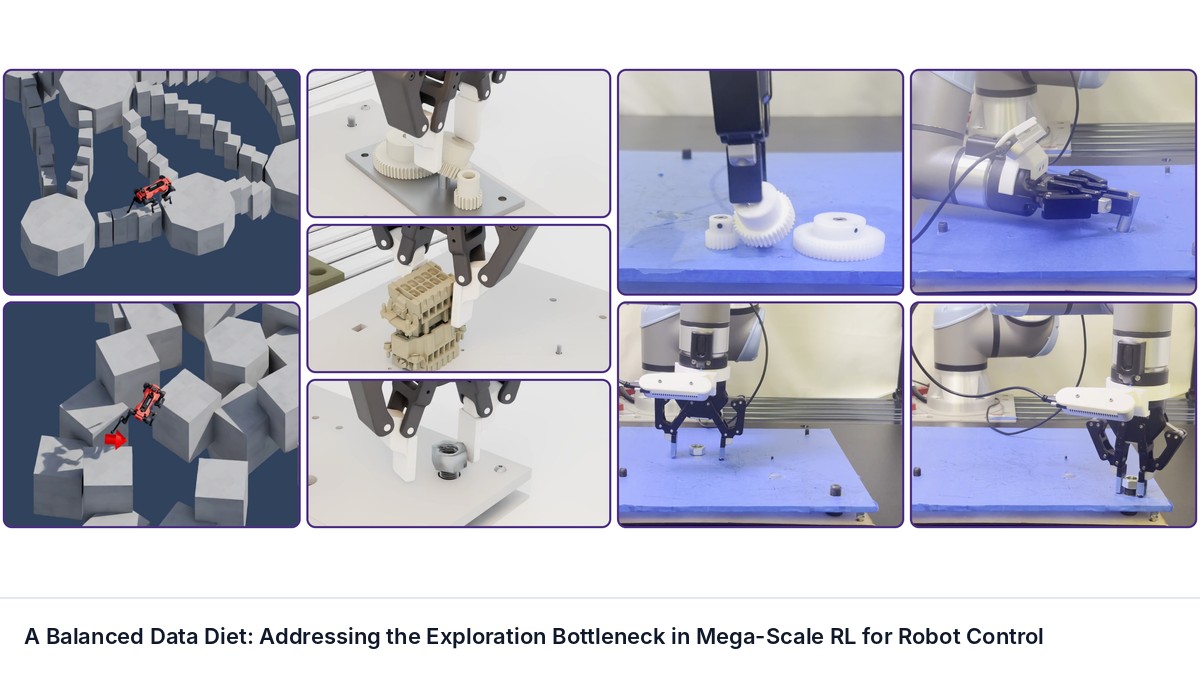
A Balanced Data Diet: Addressing the Exploration Bottleneck in Mega-Scale RL for Robot Control
Octi Zhang, Mateo Guaman Castro, Patrick Yin et al.
General-purpose robots must perform a wide range of tasks from agile locomotion to dexterous manipulation.
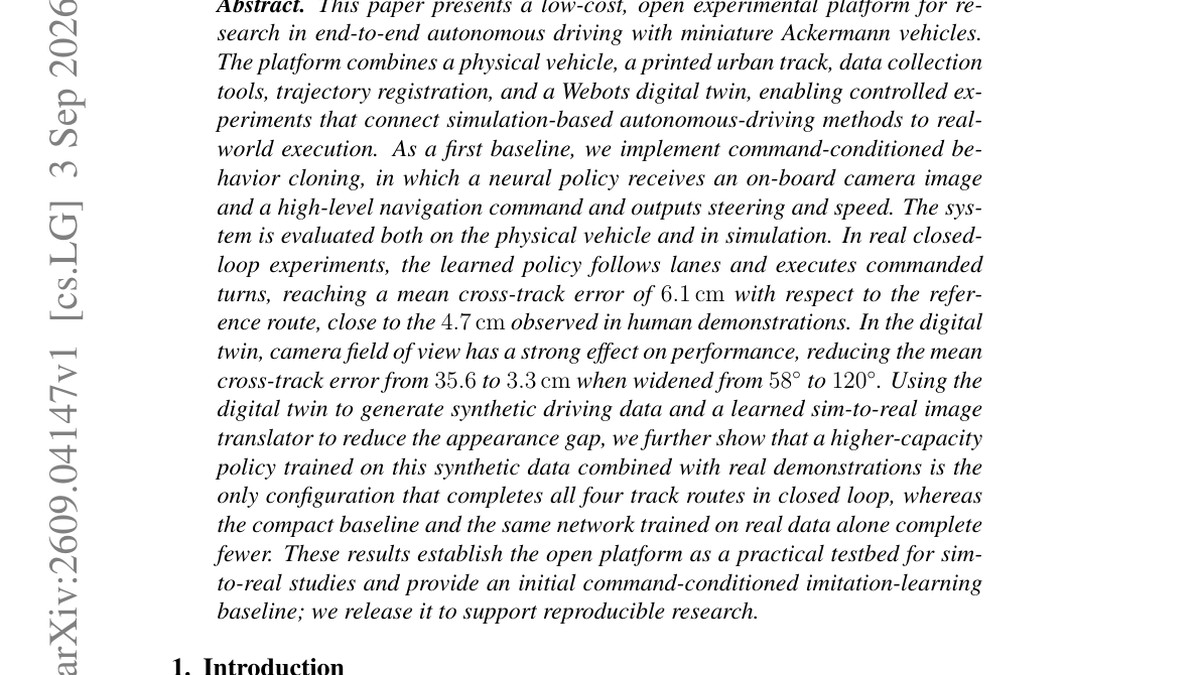
A Low-Cost, Open Platform for End-to-End Autonomous Driving on a Miniature Ackermann Vehicle
Gustavo Claudio Karl Couto, Eric Aislan Antonelo, Gabriel George Zipperer
This paper presents a low-cost, open experimental platform for research in end-to-end autonomous driving with miniature Ackermann vehicles.
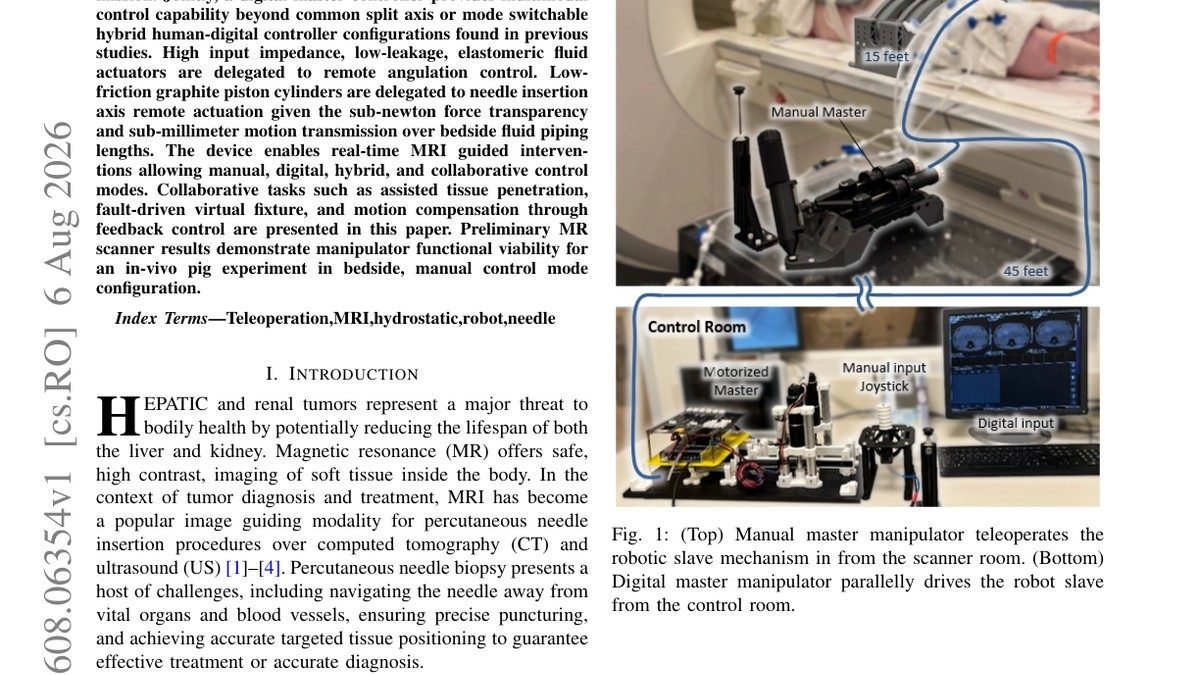
A Master-Salve Robot Manipulator for Needle-Based Teleoperation in MRI Chamber
Omar Curiel, Jing-Yuan Huang, Po-Chih Chen et al.
We present a MR safe, master-slave robot manipulator for abdominal interventions in the MRI chamber. A human operated 2+1-DoF master controller manipulator transmits motion and force to a 2+1-DoF slave manipulator via fluid transmission.

A Sim-to-Real Integration Pipeline for Training and Deployment of Chunk-Based VLA Manipulation Policies
Mathilde Kappel, Clémence Grislain, Mohamed Chetouani et al.
Vision-Language-Action (VLA) models have become a prominent paradigm for mapping multimodal inputs, including semantic instructions, visual observations of the scene, and proprioceptive observations, to robot actions.